Znaczenie słowa "if in February there be no rain, it is neither good for hay nor grain" po polsku
Co oznacza "if in February there be no rain, it is neither good for hay nor grain" po angielsku? Poznaj znaczenie, wymowę i specyficzne użycie tego słowa z Lingoland
if in February there be no rain, it is neither good for hay nor grain
US /ɪf ɪn ˈfɛbjueri ðɛr bi noʊ reɪn, ɪt ɪz ˈniðər ɡʊd fɔr heɪ nɔr ɡreɪn/
UK /ɪf ɪn ˈfɛbruəri ðeə bi nəʊ reɪn, ɪt ɪz ˈnaɪðə ɡʊd fɔː heɪ nɔː ɡreɪn/
Idiom
brak deszczu w lutym to złe zbiory
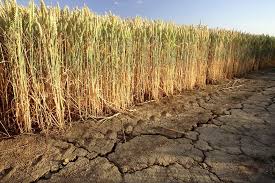
An old English proverb suggesting that rain in February is essential for a good harvest of hay and grain later in the year.
Przykład:
•
The farmers are worried about the drought because if in February there be no rain, it is neither good for hay nor grain.
Rolnicy martwią się suszą, ponieważ jeśli w lutym nie spadnie deszcz, nie wróży to dobrze ani sianie, ani ziarnu.
•
My grandfather always said, 'If in February there be no rain, it is neither good for hay nor grain,' so he's happy to see the storms today.
Mój dziadek zawsze powtarzał: „Jeśli w lutym nie spadnie deszcz, nie wróży to dobrze ani sianie, ani ziarnu”, więc cieszy się z dzisiejszych burz.